


Maybe you’re a small business who has capped out on their local customers, and you’re looking for ways to make connections and sales online.
Maybe you’re a nonprofit, and you’re trying to increase the number of tickets you sell to fundraising events.
Or maybe you’re a church, and you want your events to reach brand new people who have never interacted with your website or social media.
Ecommerce can make all of these things possible. However, ecommerce isn’t a cure-all, and it can have some pretty heavy upfront costs before it pays out.
Let’s review 5 important considerations before you begin selling event tickets, products, and services online.
Table of Contents
So Tell Me About eCommerce
Recently, we’ve had several people ask my opinion on adding ecommerce to their website. You might be surprised to hear that it isn’t just small businesses that are asking about it—nonprofits and churches are also selling things online, especially event tickets.
The term ‘ecommerce’ refers generally to any sale that’s made online. There’s usually an element of digital marketing that enables sales beyond an organization’s typical audience. This can be a powerful way to reach new folks who otherwise wouldn’t connect with your organization.
Selling online can be a big commitment, especially in the setup. We’ll review some key considerations to help you decide if ecommerce is right for your organization.
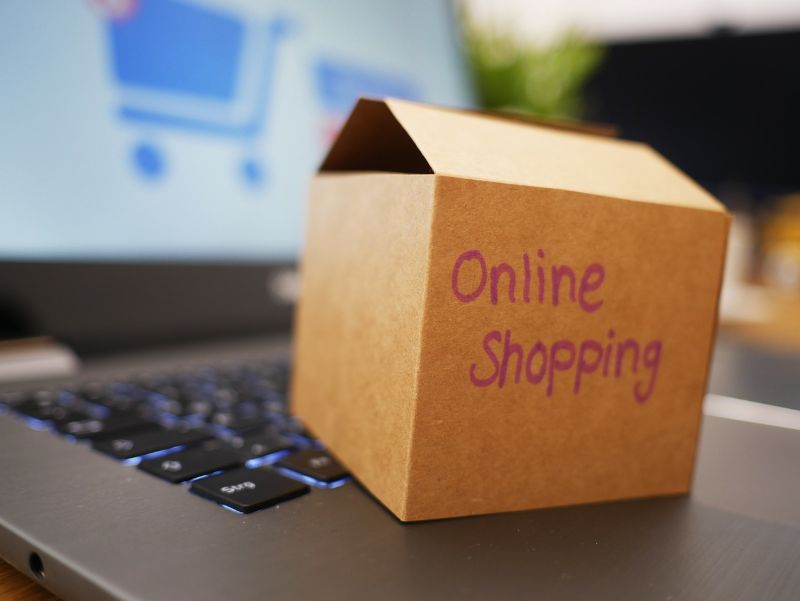
5 Important eCommerce Considerations
1. Why Would Someone Buy What You’re Selling
People are motivated to make purchases based on some combination of price, convenience, and personal values. Make sure there’s a compelling reason for someone to buy what you want to sell.
If you’re selling physical products, they either need to be things that customers can’t get anywhere else, or you provide a convenience (such as the delivery method) or exemplify a value (such as a family-owned business or organic products) that makes it worthwhile.
If you’re selling event tickets, the event needs to appeal to a fairly wide audience while also being a unique experience that can’t be had elsewhere.
Note: Sometimes you want folks to ‘purchase’ tickets to a free event. For the purposes of this article, we’ll consider no-cost purchases to be ecommerce.
2. How Will Customers Receive What They Purchased
Figure out if you can realistically ship physical items. And if you can’t, will folks want to buy online and come in to pick it up? Probably not—unless it’s something very unique that cannot be purchased and delivered by another vendor.
3. Can You Make It a Subscription
Some purchases are repeated on a predictable schedule (such as getting a haircut or buying dog food), and these are useful for customers to have on a subscription so they don’t get behind schedule or run out.
This can also apply to more luxury items (such as floral bouquets, baked goods, or even performances), especially if there is a cost incentive to the subscription. A well-designed subscription is mutually beneficial to customer and vendor alike.
4. Can You Extend Your Reach With Another Platform
If your event tickets are for sale only on your organization website, odds are that only your current newsletter subscribers or other members will know about it.
But selling event tickets on a platform such as Eventbrite or Groupon makes it much more likely that new people will discover your event and make a purchase. It’s in their interest to find people who want what you’re offering and who ultimately make a purchase.
Even better, there is usually no seller fee on free event tickets.
5. Can You Maintain the Inventory, Calendar, etc.
You can’t sell something if you’re out of stock (or don’t have any more audience seats). If you’re selling in person or over email as well as online, you may need to manually update your online inventory.
Keeping up with online sales is a lot of work, from the initial setup to the inventory management to the notifications and ultimately the order fulfillment. Make sure it’s worthwhile before you jump into it.
Conclusion
Ecommerce can be a powerful tool for small organizations to expand their reach to new audiences and grow their revenue. As with anything, go through the process of determining the cost, effort, and anticipated benefit before adding new technology to your website.
You might find that ecommerce is effective for some events and products, but not for all of them. If you don’t have immediate success, don’t give up—try updating photos and making the descriptions more interesting to help get folks’ attention. This is where AI tools like ChatGPT can help you write engaging product descriptions.
And if you need help, feel free to get in touch for assistance with all of your website needs.